





The Lead
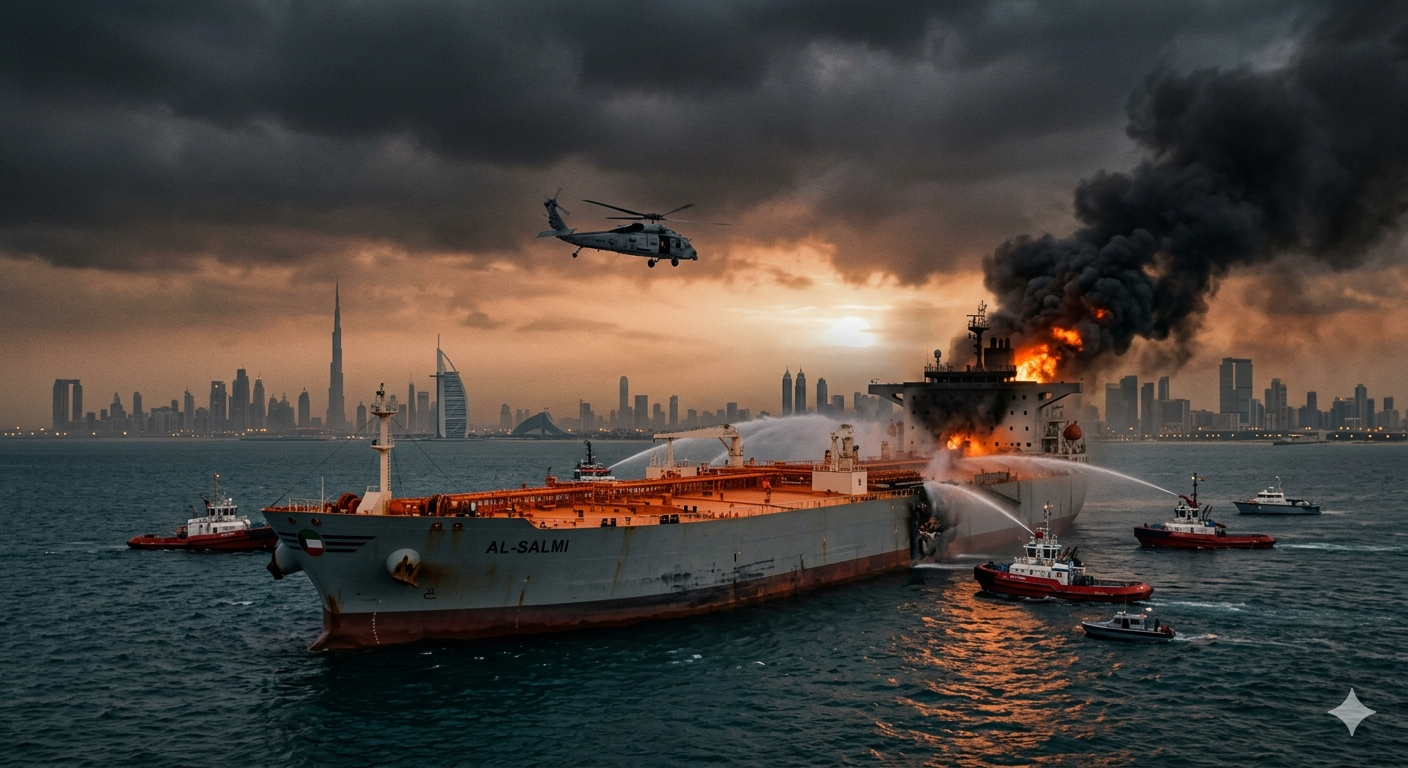
Tensions in the Middle East reached a perilous new high Tuesday morning. A Kuwaiti-flagged crude oil tanker, the Al-Salmi, was struck and set on fire by Iranian forces while anchored off Dubai. This follows a weekend of failed diplomacy and a stark ultimatum from the White House.
Key Developments
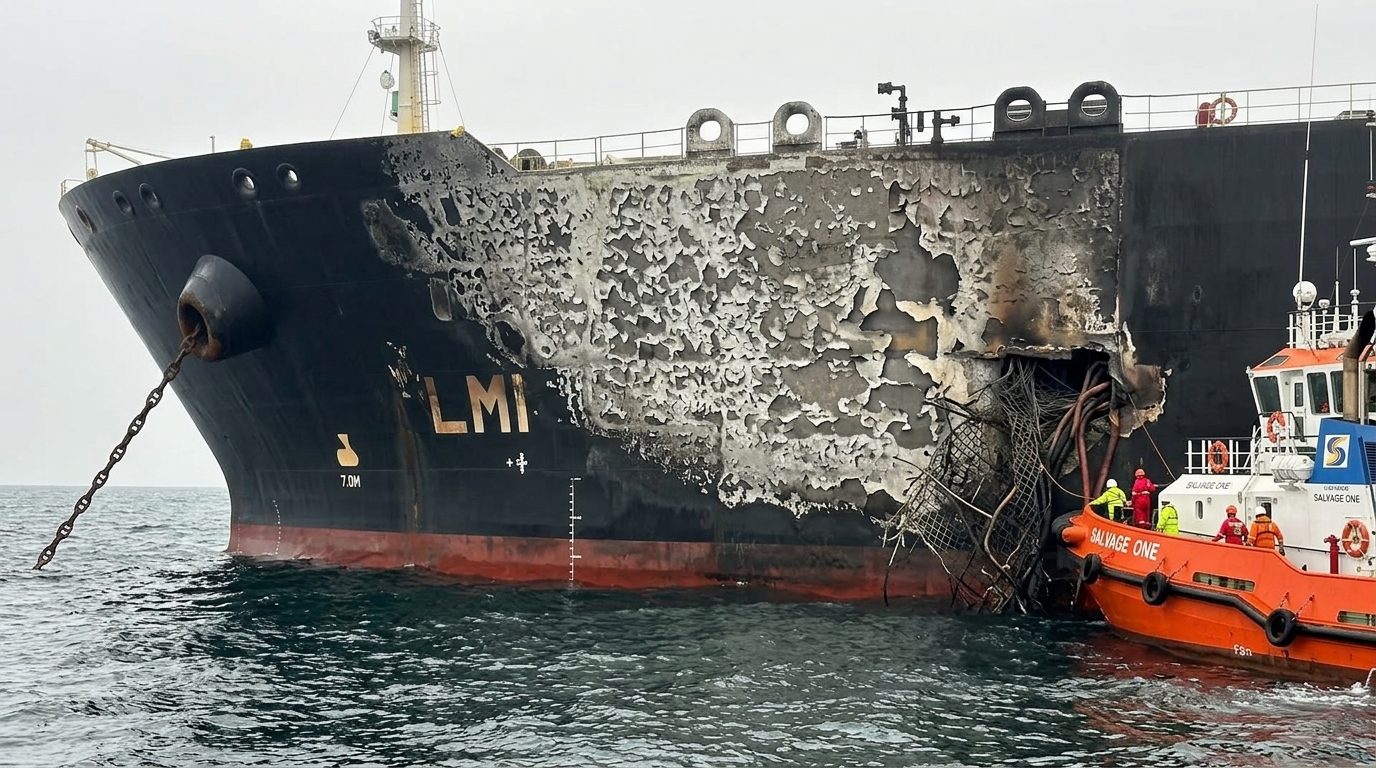
- The Strike: The Al-Salmi, carrying 2 million barrels of crude, was hit by drones/missiles. While Dubai authorities have contained the fire and reported no injuries or leaks, the attack has sent fresh shockwaves through global energy markets.
- The “Energy Ultimatum”: President Trump has warned that the U.S. is prepared to “obliterate” Iran’s power plants, oil wells, and the critical export hub at Kharg Island if the Strait of Hormuz is not reopened by April 6.
- Economic Toll: For the first time in over three years, U.S. gas prices have crossed $4.00 a gallon. With Brent crude up a record 56% this month (over $113/barrel), the conflict is becoming a major political hurdle ahead of the November midterms.
- Military Expansion: Thousands of troops from the 82nd Airborne Division are arriving in the region, expanding U.S. options for a potential ground assault even as back-channel talks continue via intermediaries in Egypt and Saudi Arabia.
“The Strait will be open one way or another.” — Secretary of State Marco Rubio
The Bottom Line
While the Wall Street Journal reports that the administration may be looking for an off-ramp to end the military campaign, the rhetoric remains at a boiling point. With Israel striking targets in Tehran and Iran-aligned groups widening the theater of war, the global economy remains tethered to a very thin line of diplomacy.
#EnergyCrisis #Geopolitics #OilPrices #MiddleEastConflict #GlobalEconomy #BreakingNews